Eggstep
Last modified: | Status: Verified
Eggstep is an electronic dance music subgenre that emerged in the early 2020s, characterized by the rigorous integration of culinary foley—specifically the sounds of cooking, frying, and kitchen ambience—into heavy, UK bass-derived rhythmic structures. Utilizing modified kitchen appliances as both synthesizers and percussion instruments, the genre sits at the intersection of musique concrète, dubstep, and industrial techno.
1. Musical Characteristics
The defining sonic architecture of Eggstep relies on extreme frequency contrasts. Tracks typically
operate at a tempo of 135-142 BPM, grounded by a massive, unadorned sine-wave sub-bass.
This low-end foundation provides the necessary space for the genre's hallmark mid and high-frequency
percussive elements, which are sourced almost exclusively from kitchen environments.
The "Sizzle Bass"
The most ubiquitous sound in the genre is the "Sizzle Bass." Rather than using traditional waveform synthesis for mid-range bass tones (like the 'wobble' or 'growl' of mid-2010s dubstep), Eggstep producers overlay their sub-bass with heavily saturated recordings of hot oil or butter reacting to moisture.
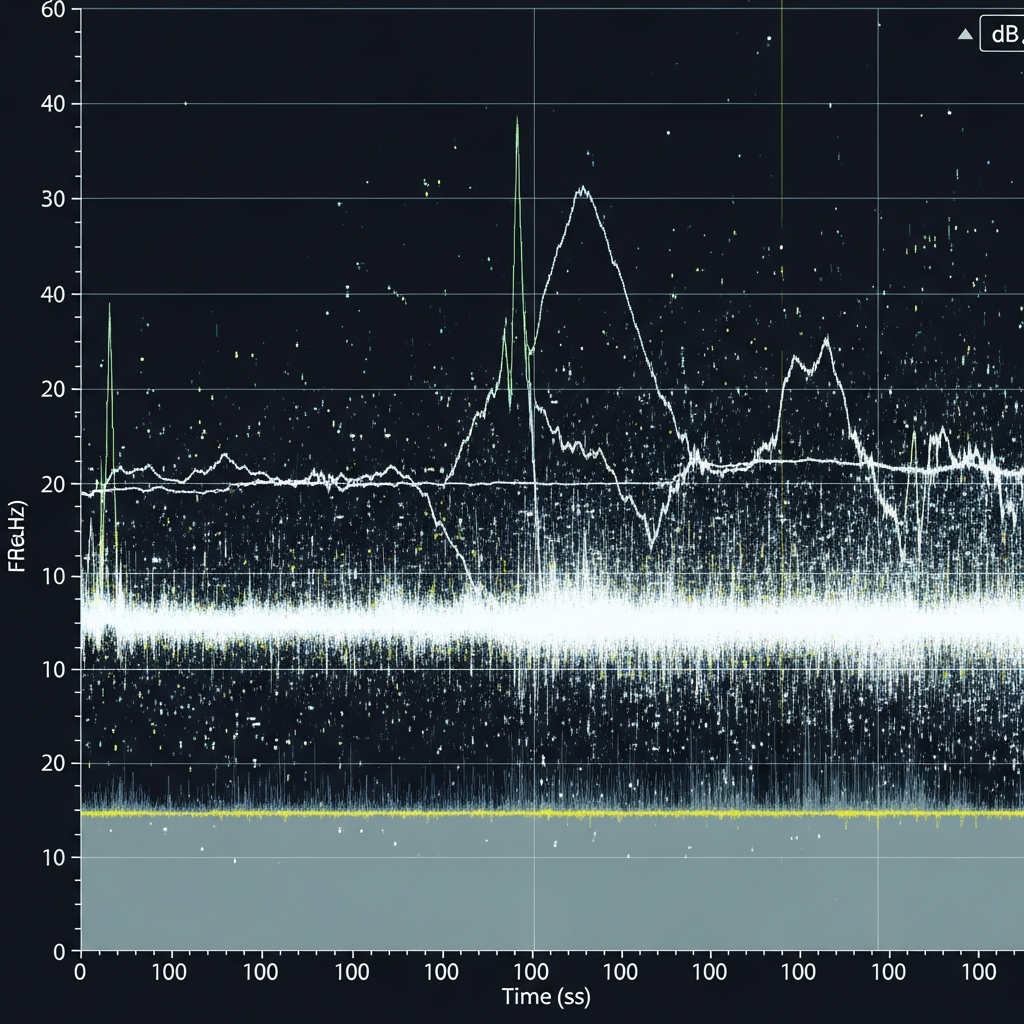
Rhythmically, the genre abandons the standard four-on-the-floor kick drum in favor of syncopated, sync-swung half-time patterns. Snares are frequently replaced by the sharp transient crack of breaking eggshells or the metallic clang of spatulas hitting cast iron.
2. History and Origins
Eggstep's origins are deeply rooted in the claustrophobic apartment studios of Chicago and Bristol during the early 2020s. Financial constraints forced experimental producers to look outside traditional sample packs. The pioneer of the sound is widely considered to be DJ Benedict, whose landmark 2022 EP, Non-Stick, codified the genre's rules.
"I couldn't afford a Moog. I couldn't afford a Prophet. But I had a Tascam field recorder and a really shitty hot plate. Turns out, if you pitch down the sound of an egg hitting screaming hot Teflon by three octaves, it punches harder than an 808."
— DJ Benedict, speaking to Resident Advisor/The Yolk
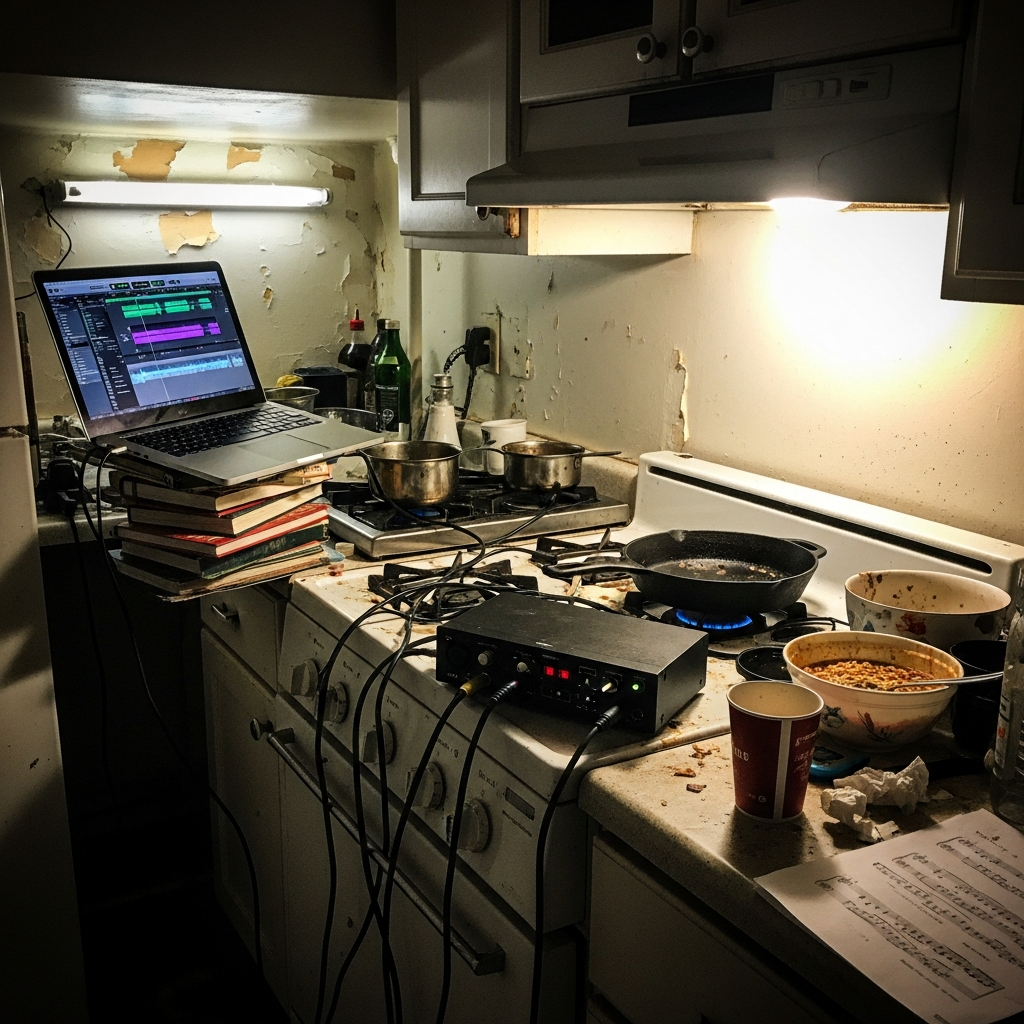
The early "Kitchen Sink" era was characterized by a distinct lack of quantization. Producers recorded entire cooking sessions—from chopping mirepoix to deglazing pans—and manually chopped the audio into breakbeats. As the genre gained traction on underground forums, notably The Carton, production techniques became more sophisticated, leading to the development of custom contact microphones designed to withstand extreme heat.
3. Subgenres
As Eggstep proliferated globally, regional and methodological schisms occurred, resulting in several distinct micro-genres.
-
Hard-Boiled
A darker, industrial-leaning variant that removes the high-frequency "sizzle" entirely, focusing instead on the muffled, low-end thud of boiling water and rhythmic knocking of pots. Tempos hover around120 BPM. -
Scramblecore
A chaotic, high-tempo (160+ BPM) offshoot influenced by breakcore and IDM. Characterized by aggressive whisking foley and unpredictable time signatures. -
Ambient Poach
Beatless soundscapes utilizing heavily reverbed recordings of simmering liquids. Often employed as set intros or comedown tracks at live events.
4. Notable Artists & Labels
| Artist / Entity | Role / Contribution | Key Affiliation |
|---|---|---|
| DJ Benedict | Genre pioneer, creator of the 'Sizzle Bass' technique. | Independent |
| Sous-Vide | Pushed the genre into high-fidelity club spaces. | OvaLoad Records |
| The Yolk | Primary editorial voice and journalistic record of the scene. | Media Outlet |
| OvaLoad Records | The premier high-end editorial label pushing avant-garde Eggstep. | Record Label |
5. Culture and Live Performances
The live Eggstep scene is notoriously visceral. Events, colloquially referred to as "Brunches," often take place in decommissioned industrial kitchens, meatpacking warehouses, or standard underground clubs equipped with enhanced ventilation systems.
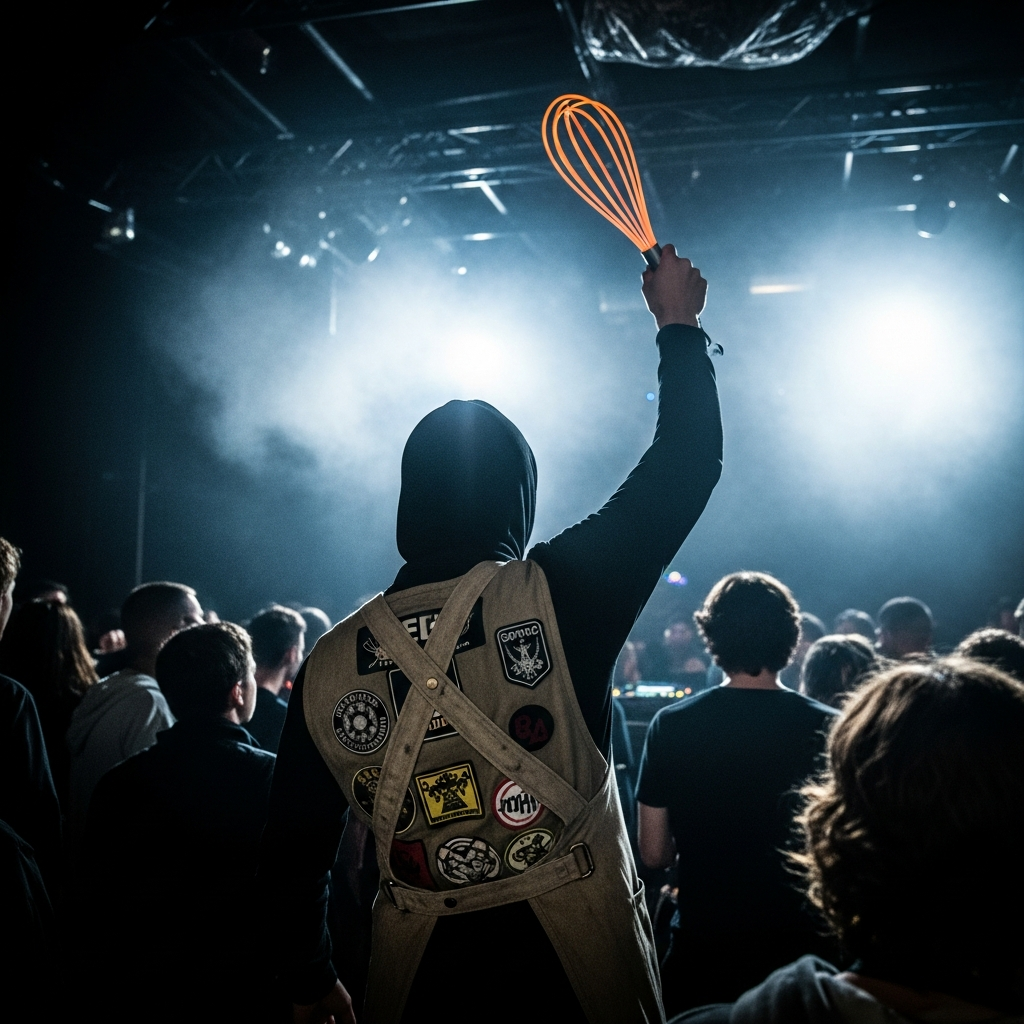
Fashion within the scene, dubbed "Aproncore," prioritizes utilitarian protection over aesthetics. Ravers frequently wear heavy canvas or PVC industrial aprons, often customized with patches of obscure record labels. Protective eyewear and earplugs are mandatory due to the combination of extreme sub-bass frequencies and occasional airborne cooking oil from live foley performances.
Live sets blur the line between DJing and cooking. Headlining acts often bring modified induction burners and cast-iron skillets into the booth, mic'd directly into the PA system to perform live percussion over backing tracks. To secure entry to these chaotic events, purists often utilize The Skillet: Bristol, a notoriously difficult-to-navigate brutalist ticketing portal.
6. References
- "The Crackle and The Bass: An Interview with DJ Benedict." Resident Advisor / The Yolk. 2023.
- "OvaLoad Records Catalog: 2024 Retrospective." OvaLoad Official.
- Thread: "Best mics for recording high-heat oil?" The Carton Terminal Forum. Retrieved Oct 2024.
- "Ticketing and Venue Safety Protocol." The Skillet: Bristol.